


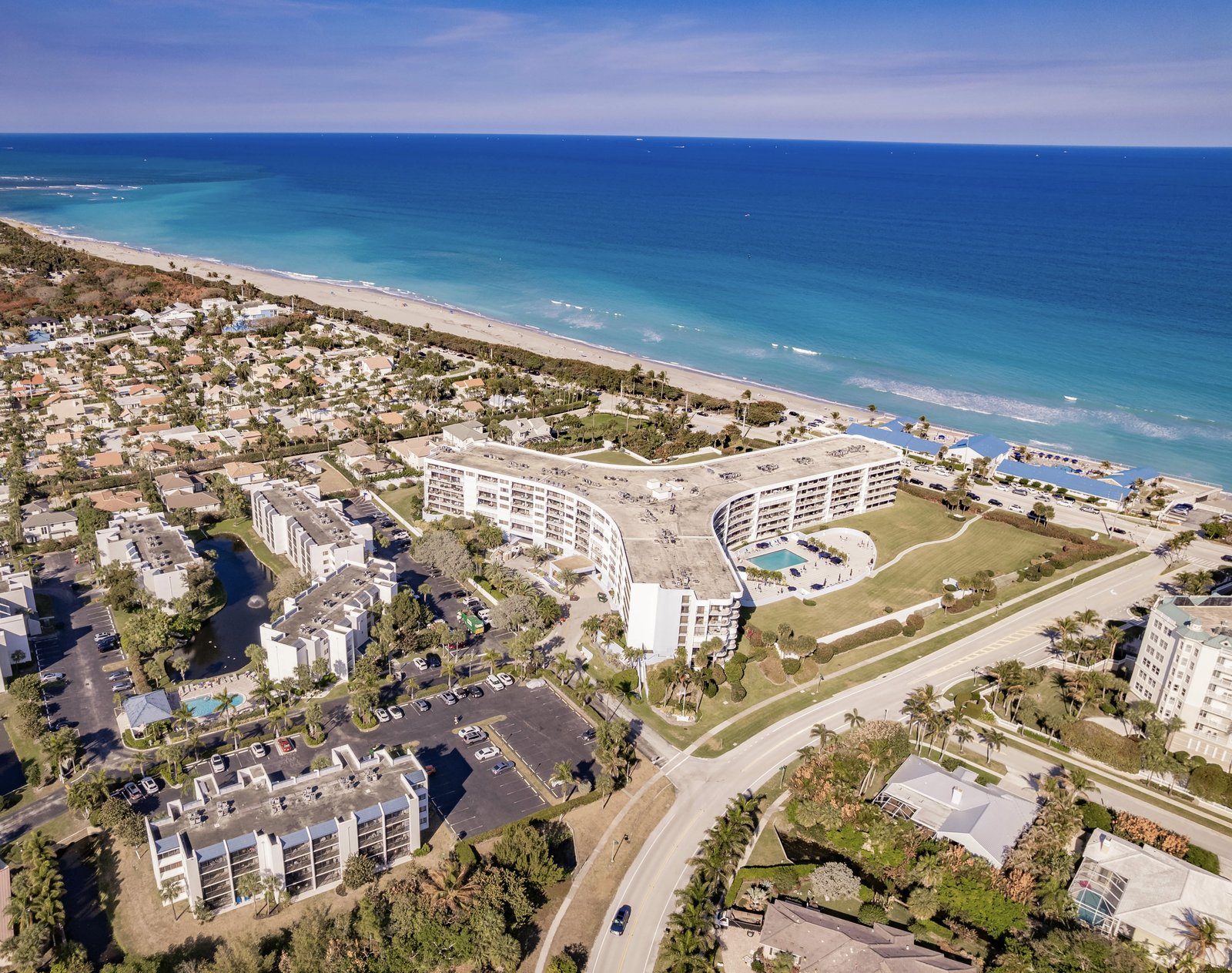
Florida law now requires aging condominium buildings of three habitable stories or more to have a milestone inspection and a structural integrity reserve study. Both reports, the budget and the association's rules are your best view into a building before you offer. Ask the seller for them early, because the contract gives you only a short window to cancel.
What changed in Florida condo law?
Florida tightened its condominium rules for buildings that are three habitable stories or taller. Two requirements matter most to a buyer: a milestone inspection of the structure, and a reserve study that prices the repairs the building will need.
We read both rules on 14 November 2026 in the 2026 Florida Statutes on the Florida Senate site. The table summarizes them in plain words. Section 553.899 covers inspections and section 718.112 covers reserves.
| Rule | What the statute says |
|---|---|
| Which buildings | Condominium and cooperative buildings three habitable stories or more in height. Buildings with fewer stories, and one to four family dwellings with three or fewer stories, are outside the rules. |
| Milestone inspection | Due by 31 December of the year the building reaches 30 years from its certificate of occupancy, then every 10 years. A local agency may move it to 25 years, for example for buildings near salt water. |
| Phase one and two | Phase one is a visual review by a licensed engineer or architect. Phase two, with testing, is required only if phase one finds substantial structural deterioration. |
| Who sees the results | The association must send owners the inspector's summary within 45 days and post the report on its website if it has to keep one. |
| Reserve study | A structural integrity reserve study at least every 10 years for each building three stories or taller. It covers the roof, structure, fire protection, plumbing, electrical, waterproofing and painting, windows and doors, and any other item costing more than $25,000. |
| Deadline for older associations | Associations that existed on or before 1 July 2022 had to finish the study by 31 December 2025. One due a milestone inspection by the end of 2026 may do both together, and the study cannot be finished after 31 December 2026. |
Sources: Florida Statutes sections 553.899 and 718.112, 2026 edition, read 14 November 2026. Laws change, so confirm the current text before you rely on it.
What is a structural integrity reserve study?
A structural integrity reserve study is a visual inspection plus a money plan. It lists each major item in the building, estimates how many years of life it has left and what replacing it will cost, and recommends how much the association should set aside every year.
For you as a buyer, the useful numbers are the remaining life of the roof and the building envelope, and whether the yearly reserve contribution in the budget matches the study. When the two do not match, the gap usually shows up later as a higher fee or a special assessment.
The statute also lets a board pause reserve contributions for up to two annual budgets in one situation: after a milestone inspection, to pay for the repairs that inspection recommended, with a majority of the total voting interests approving. A board that has done this must have a new study before contributions resume. Read the details in section 718.112 and ask what your building has done.
Which documents should you ask for?
Florida gives a condo resale buyer a defined set of papers. Under section 718.503 the seller must provide, at the seller's expense, a current copy of the items in the table below. A real estate agent who passes them along is not liable for errors inside them.
| Document | What it tells you |
|---|---|
| Declaration of condominium | What you own, what the association maintains, and the use restrictions that run with the unit. |
| Articles, bylaws and rules | How the board is run and the day to day rules on pets, parking, guests and work on a unit. |
| Annual budget and financial statement | The monthly fee, what it covers, reserve funding, and any special assessment, line of credit or loan. |
| Milestone inspection summary | Whether an inspection is required, done or still open, and what the engineer found. |
| Structural integrity reserve study | The remaining life of major building items and the recommended reserve funding. |
| Frequently Asked Questions and Answers | A state form that summarizes voting rights, fees and who pays for what. |
Ask for these as soon as you are serious about a unit, and ask for the board's meeting minutes from the last year or two as well. Minutes show what the board is debating: repairs, rule changes, insurance renewals and any work that is forecast.
What 12 questions should you ask before you offer?
Jack's list is the one he runs through with his own buyers. Each question points to a document or a person who can answer it, so none of them has to wait for the inspection.
| Question | Where the answer lives |
|---|---|
| Are any special assessments planned or underway? | Budget, financial statement and minutes |
| Is the building financeable? | Your lender, early in the process |
| Are the state structural and engineering requirements met? | Milestone summary and reserve study |
| How are the association's finances? | Financial statement and reserve balance |
| What work is forecast? | Reserve study and minutes |
| What do the monthly fees cover? | Budget and declaration |
| What is the capital contribution at closing? | Declaration and the seller's estoppel certificate |
| Is the building pet friendly, and what are the limits? | Rules and regulations |
| What are the rental rules and minimum lease periods? | Declaration and rules |
| When can owners do work, and for how long? | Rules on renovation hours and approvals |
| Which parking space comes with the unit, and is there storage? | Declaration, floor plan and the estoppel certificate |
| Where are packages delivered? | Property manager or front desk |
The estoppel certificate is the one paper that shows a unit's own balance. The association must issue it within 10 business days of a written request.
Can the building be financed?
Lenders look at the building as well as the buyer. A building with unfinished structural work, a large unfunded repair or a high share of investor owners can be harder to finance, and the rules vary by lender and loan type.
We cannot tell you which buildings qualify, because that decision belongs to the lender. What we can do is the practical part: ask your lender early whether the building is eligible before you spend money on inspections, and keep the budget and the reserve study handy for the file.
Which rules affect rentals, pets and work on a unit?
These are set by each association, and they differ a lot from one building to the next. The declaration and the rules decide whether you can rent, for how long, and with what approval. They also say how many pets are allowed, what size, and where pets can go on the property.
Renovation rules are worth reading if you plan to change a floor or a kitchen. Many buildings limit working hours, require approval of plans and set a deposit. Read all of it before you offer, because some limits cannot be changed by you or your agent.
- Rental: minimum lease length, approval steps and any limit on how many units can be rented.
- Pets: number, weight and breed limits, and where animals can go.
- Work on a unit: allowed days and hours, approval, and deposits.
- Parking and storage: assigned or first come, and any extra charge.
How long do you have to cancel?
The standard Florida resale clause in section 718.503 lets a buyer cancel by written notice within 7 days, excluding Saturdays, Sundays and legal holidays, after signing and receiving the condominium documents. The buyer can also extend the closing by up to 7 such days.
Contracts vary, so ask your agent to show you the clause in yours. The time runs from your receipt of the documents, which is one more reason to ask for them before you offer.
Who is behind this guide

Jack and Jill Team works with eXp Realty in South Florida and South Jersey. Jack Zaborowski is a Florida broker (license BK3442133) and a New Jersey broker-salesperson (license 0338769), licensed since 2003, and holds the CLHMS and RSPS designations. Jill Perry-Zaborowski is a principal sales associate in Florida and New Jersey.
We are real estate agents, not attorneys or engineers. The rules here come from the sources linked above. Read more about the team.
Questions buyers ask
What is a milestone inspection?
It is a structural inspection of a condominium building by a licensed engineer or architect, required for buildings of three habitable stories or more. Phase one is a visual review, and phase two adds testing only if phase one finds substantial structural deterioration. The first one is due in the year the building reaches 30 years old.
How do I find out about special assessments?
Ask for the annual budget, the financial statement and the board's recent meeting minutes, then request the estoppel certificate for the unit. The statute requires details of any special assessment, line of credit or loan to appear in the financial statement given to buyers. Ask the seller to confirm anything planned.
Is a condo harder to finance in Florida?
It can be, because the lender reviews the building as well as you. Unfinished structural work, large unfunded repairs or a high share of rentals can all matter, and lenders differ. Ask your lender early whether a specific building is eligible before you pay for inspections or appraisals.
Who pays for a condo's repairs?
The association pays for the common elements it maintains under the declaration, funded by monthly fees, reserves and sometimes special assessments. You pay for the inside of your unit and anything the declaration assigns to owners. Read the declaration, because the dividing line is different in each building.
What should I read in condo meeting minutes?
Look for repairs under discussion, insurance renewals, rule changes, assessments, complaints and the status of the milestone inspection and reserve study. Compare the last year or two of minutes with the budget. If the board keeps postponing a major repair, expect that cost to arrive later.
Keep reading
Looking at a Jupiter condo?
Send us the building and unit. Jack and Jill will help you request the documents, read the reserve study and milestone summary with you, and line up your lender before the cancel window starts.
Prefer to talk it through? Call 561-660-2352 for South Florida or 609-602-7140 for South Jersey.
This guide is general information, not legal, financial or engineering advice. We are real estate agents, not attorneys, lenders or engineers. Rules change, so confirm them with your attorney and lender before you act.