


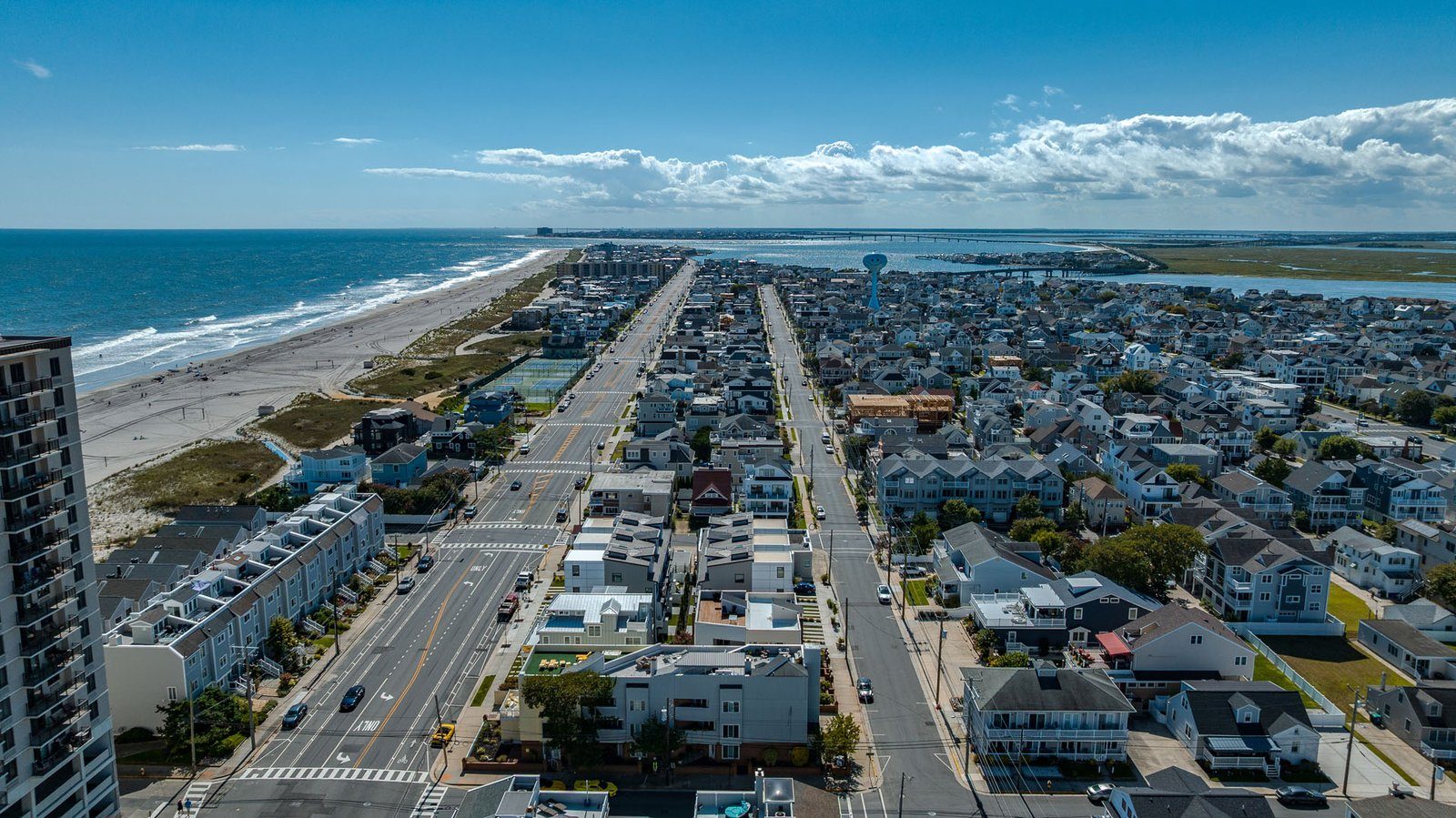
New Jersey asks a seller who has moved out of state by closing for an estimated income tax payment of at least 2% of the sale price, whether or not there is a gain. Florida homestead needs the home to be your permanent residence on 1 January. The order of your two closings changes the paperwork in both states.
Should you buy first or sell first?
Either order works, because the two closings are separate transactions in two states. What changes with the order is the paperwork, and most of it turns on one question: where do you live on the day the New Jersey home closes?
If you have already moved to Florida by that day, New Jersey treats you as a nonresident for that sale. The New Jersey Division of Taxation says that when you move out of the state on or after the day of transfer you are considered a nonresident, and part-year residents are considered nonresidents too. If you are still living in New Jersey at the closing, a different set of questions applies, and your closing agent and tax professional can tell you which.
| Question | Florida | New Jersey |
|---|---|---|
| Cost on the deed | Florida deed tax is 70 cents for each $100 of the price, under section 201.02. The statute does not say who pays, so ask your closing agent. | The seller pays the Realty Transfer Fee, which is tiered by price, plus a graduated fee on sales above $1,000,000. |
| Income tax | Florida does not levy a state personal income tax on individuals, under Article VII, section 5 of the Florida Constitution. | A seller who has moved out of state may owe an estimated payment of at least 2% of the price, due before or at closing. |
| Proof of residence | A Declaration of Domicile is an optional sworn statement filed with the clerk of the circuit court. | The GIT/REP forms report the sale: GIT/REP-1 for the payment, GIT/REP-3 for exemptions and GIT/REP-4 for a waiver request. |
| Property tax relief | Homestead needs a permanent Florida residence on 1 January and an application by 1 March. | New Jersey relief programs are generally available on a homeowner's principal residence. |
Sources: Florida Statutes sections 201.02 and 222.17, Florida Constitution Article VII section 5, Palm Beach County Property Appraiser, New Jersey Division of Taxation pages for nonresident sellers (updated 12 November 2026) and the Realty Transfer Fee (updated 13 November 2026). Checked 21 November 2026.
What does New Jersey ask of a seller who has already moved?
New Jersey law requires a nonresident seller to pay estimated gross income tax of 2% of the sale price to the state, before or at the closing, whether or not the sale produced a gain. The Division of Taxation describes 2% as the minimum, not a ceiling. The final tax is worked out on the gain at the highest rate for the year, and the form the seller files is GIT/REP-1.
That is a payment on account, not the end of the matter. The state also lists exemptions on form GIT/REP-3 and a waiver request on form GIT/REP-4. A seller whose home was a principal residence may qualify for the federal home-sale exclusion, but whether any of this fits your case is a question for a tax professional. We do not estimate what anyone owes.
Moving out of New Jersey before the closing is what makes you a nonresident seller for that sale.
What changes when Florida becomes your main home?
Florida homestead is the main benefit tied to where you live. The Palm Beach County Property Appraiser says that, as of 1 January, you must be a permanent Florida resident, hold title, make the property your permanent residence and have no other residency-based benefits elsewhere. The application must be in by 1 March of the year the benefit applies. The Property Appraiser's homestead page lists the documents it accepts, which include a Florida driver license plus one proof of residency.
A Declaration of Domicile appears on that list as a proof of residency "if applicable". The statute makes it a way to evidence domicile and does not make filing mandatory. It also does not grant homestead or end New Jersey residency by itself.
Voters approved Amendment 3 this month, which changes the homestead exemption from 2027. The result is unofficial until certified, so confirm the current amounts with the Property Appraiser. Our guide to Palm Beach County property taxes after you buy covers how the exemption, the cap and portability work.
What do you do with the New Jersey home while you decide?
You can own both homes. What you cannot do is claim a residency-based benefit on each one, because Florida homestead requires that you have no other residency-based benefit elsewhere, and New Jersey's relief programs are generally for a principal residence. Choosing which home is your permanent residence settles both sides, and that choice is yours to make with a tax professional.
- Decide which home is your permanent residence before 1 January, the date Florida uses for homestead.
- Ask your closing agent in each state who pays which transfer cost, since Florida's statute does not name the payer.
- Ask a tax professional how moving out of New Jersey affects your own returns before the New Jersey closing.
Who handles each state?
Two licenses are involved, one in each state. Jack Zaborowski holds a New Jersey broker-salesperson license and a Florida broker license, so one team can handle the New Jersey sale and the Jupiter purchase side by side. Our guide to moving from the Jersey Shore to Palm Beach County walks through the move itself.
Who is behind this guide
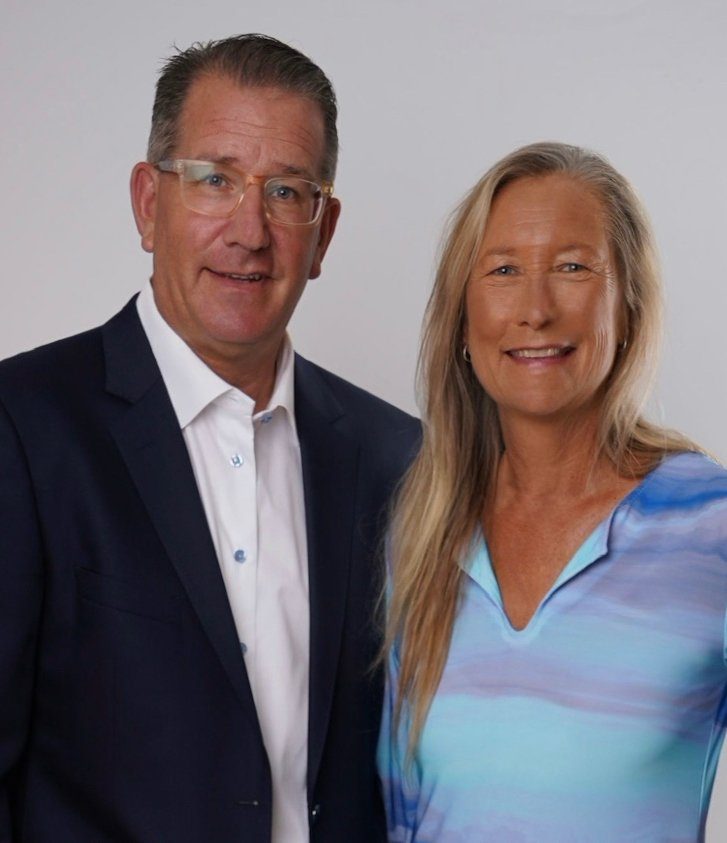
Jack and Jill Team works with eXp Realty in South Florida and South Jersey. Jack Zaborowski is a Florida broker (license BK3442133) and a New Jersey broker-salesperson (license 0338769), licensed since 2003, and holds the CLHMS and RSPS designations. Jill Perry-Zaborowski is a principal sales associate in Florida and New Jersey.
We are real estate agents, not tax advisers or attorneys. The rules here come from the sources linked above. Read more about the team.
Questions buyers ask
Can I buy in Florida before my New Jersey home sells?
Yes, the two closings are separate. If you have moved out of New Jersey by the day that sale closes, the state treats you as a nonresident for it and may require an estimated tax payment at closing. The Division of Taxation's nonresident seller page and FAQs set out the rule.
Do I pay Florida income tax?
Florida does not levy a state personal income tax on individuals, under Article VII, section 5 of the Florida Constitution, and the Florida Department of Revenue says the same. That covers Florida only. How leaving New Jersey affects your own returns, including the year you sell, is a question for a tax professional.
Can I keep both homes?
You can own both. Florida homestead needs the Florida home to be your permanent residence on 1 January with no residency-based benefit claimed elsewhere, according to the Palm Beach County Property Appraiser. New Jersey relief programs are generally for a principal residence.
Do I need a Declaration of Domicile for homestead?
Not by statute. Section 222.17 of the Florida Statutes makes it an optional sworn statement that evidences domicile, filed with the clerk of the circuit court. The Palm Beach County Property Appraiser lists it as one accepted proof of residency, if applicable, alongside the Florida driver license that homestead requires.
Can one agent team help in both states?
Yes. Jack Zaborowski holds a New Jersey broker-salesperson license and a Florida broker license, so one team can handle the New Jersey sale and the Jupiter purchase side by side. Each state still has its own forms and closing agent, and we point you to the official pages for each.
Keep reading
Planning a move from New Jersey to Jupiter?
Tell us where you are in the move and the town you have in mind. Jack and Jill will explain how the order of the two closings works for you and point you to the official pages for each state.
Prefer to talk it through? Call 561-660-2352 for South Florida or 609-602-7140 for South Jersey.
This guide is general information, not tax or legal advice. We are real estate agents, not tax advisers or attorneys. Tax rules change and each situation differs, so confirm yours with the New Jersey Division of Taxation, the Palm Beach County Property Appraiser and a tax professional or attorney.